Model - predict - do - measure - compare
1. Pre-flight
1.1. Prepare your rocket
-
Launch rod guide tube installed.
-
Loosely pack wadding tissue then streamer.
-
Nose cone stays in but can be pushed out by the ejection charge. May need tape or sanding to adjust.
-
Install
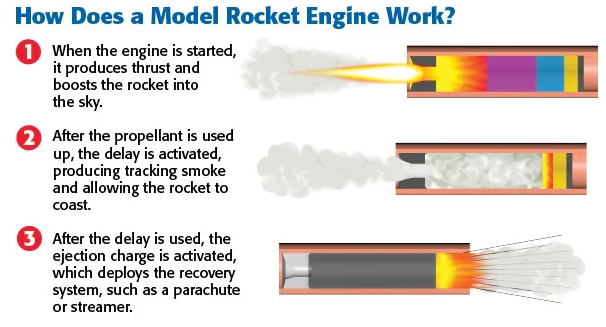
A8-3engine. Should be a friction fit tighter than the nose cone. Likely needs Scotch tape to adjust. -
Install the igniter. Watch YT: Installing Estes Igniters Without Pain or Disappointment
-
Weigh your ready-to-fly rocket and record the value.
1.2. Pre-flight data
(g) - Your rocket’s mass.
(g) - Propellant mass of the A8-3 motor from your handout.
(s) - Motor burn time.
(mm) - Rocket body diameter. For reference, the A8-3 motor itself is 18 mm diameter.
(no units) - Cd drag coefficient estimate. Read "Choosing the right drag coefficient".
1.3. Flight prediction
Go to https://www.altimetercloud.com/tools/altitude_prediction/ - Model Rocket Altitude Predictor
-
Select the "Estes Industries / A8" motor.
-
Fill in your rocket’s other information.
240 m - Launch site altitude.
(m/s) / (mph) - Max velocity
(s) - Coast time
(s) - Launch-to-apogee time
(m) / (ft) - Predicted apogee (max height)
1.4. Launch!
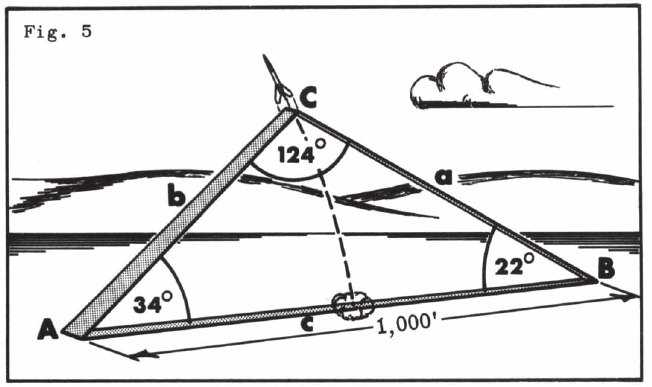
(ft) - Pad to A distance
(ft) - Pad to B distance
(degrees) - max angle A
(degrees) - max angle B